Meeting Your Inner Child: Why They Need Safety, Not Just Distractions
There is a quiet ache many of us carry. It shows up in moments we least expect. A sudden wave of loneliness at a crowded dinner party. A flash of panic when someone we love does not text back. A hollow feeling in the chest when we see families laughing together on television.
We have learned to call this feeling our "inner child." And in recent years, a cultural trend has emerged around healing this wounded part of ourselves. We buy the toys we always wanted but never received. We eat the sugary cereals our parents forbade. We take ourselves on dates to amusement parks and ice cream shops.
These gestures are not wrong. They can bring moments of joy and playfulness into lives that have become too serious, too structured, too gray. But if you have tried these things and still felt that quiet ache underneath, you are not alone. You are not doing it wrong.
The truth is that your inner child is not asking for more toys. They are asking for something far more fundamental. They are asking for safety.
The Neuroscience of the Wounded Inner Child
To understand why material indulgence often falls short of true healing, we need to look at what happens in the body when a child experiences emotional neglect or inconsistent caregiving.
When a young child feels scared, overwhelmed, or alone, their nervous system activates a stress response. Cortisol floods the bloodstream. The heart races. The body prepares to fight, flee, or freeze. In a healthy attachment dynamic, a calm adult steps in to co-regulate. They hold the child. They speak in soothing tones. They communicate through their own regulated nervous system that everything is okay.
This co-regulation is not just comforting. It is biologically essential. Through repeated experiences of being calmed by a trusted adult, the child's vagus nerve learns to switch off the stress response. Their nervous system develops the capacity for self-regulation. They internalize a felt sense of safety that stays with them into adulthood.
But what happens when that calm adult is not there? What happens when a child's distress is met with dismissal, anger, or absence?
The stress response activates, but no one helps turn it off. Cortisol stays elevated. The body remains in a state of vigilance. Over time, this becomes the baseline. The nervous system learns that safety is not guaranteed. That aloneness is dangerous. That no one is coming.
This is not a cognitive belief. It is not a thought that can be argued away through logic or positive affirmations. It is a somatic imprint. A pattern stored in the very tissues of the body.
Why Distractions Cannot Reach the Wound
When we try to heal our inner child by buying things or indulging in escapism, we are attempting to soothe the wound from the outside. We are offering distractions, pleasures, and momentary comforts.
These things might provide temporary relief. A new gadget might bring excitement. A day at the spa might induce relaxation. But they do not address the core issue. They do not provide the specific biological input that the nervous system is craving.
What the inner child needs is not more stimulation. They need the felt experience of a protective presence. They need to know, at a cellular level, that someone is watching over them. That they are not alone. That a calm, regulated adult is right here, ready to help them through whatever they are feeling.
This is the essence of somatic reparenting. It is the practice of becoming, for yourself, the adult you needed back then. Not through material gifts, but through nervous system presence.
Understanding the Vagus Nerve and Somatic Safety
The vagus nerve is the primary pathway through which our body communicates safety to our brain. It is the longest cranial nerve in the body, running from the brainstem down through the neck, heart, lungs, and digestive organs.
When the vagus nerve is activated in its ventral vagal state, it sends signals of safety throughout the body. Heart rate slows. Breathing deepens. Digestion functions properly. We feel calm, connected, and present.
But when we perceive threat, whether real or remembered, the vagus nerve can shift into a dorsal vagal state. This is the freeze response. We feel numb, disconnected, and hopeless. Or it can trigger the sympathetic nervous system, leading to anxiety, panic, and racing thoughts.
For those with childhood attachment wounds, the nervous system may have learned to default to these stressed states. The vagus nerve never fully learned to trust that safety is available.
This is why talk therapy alone is sometimes not enough. We can understand our wounds intellectually. We can trace them back to specific childhood events. But if we do not address the somatic imprint, the body continues to react as if the threat is still present.
The Practice: Becoming the Secure Base
Somatic reparenting is about learning to provide your own nervous system with the signals of safety it missed in childhood. It is about becoming, in your adult body, the calm and steady presence that your younger self needed.
This does not require perfection. It does not require that you never feel triggered or overwhelmed. It simply requires that you learn to notice when your nervous system is dysregulated and have tools available to help bring it back to baseline.
One powerful technique is called the Secure Base Hold. This simple practice uses tactile input to communicate safety directly to the vagus nerve.
The Secure Base Hold: A Step-by-Step Guide
When you notice a sudden surge of childlike panic, rejection, or loneliness, try the following:
Step 1: Pause and Notice
Stop what you are doing. Turn your attention inward. Notice the sensations in your body. Is your chest tight? Is your stomach churning? Is your throat constricted? Do not try to change these sensations. Simply acknowledge their presence.
Step 2: Establish Physical Contact
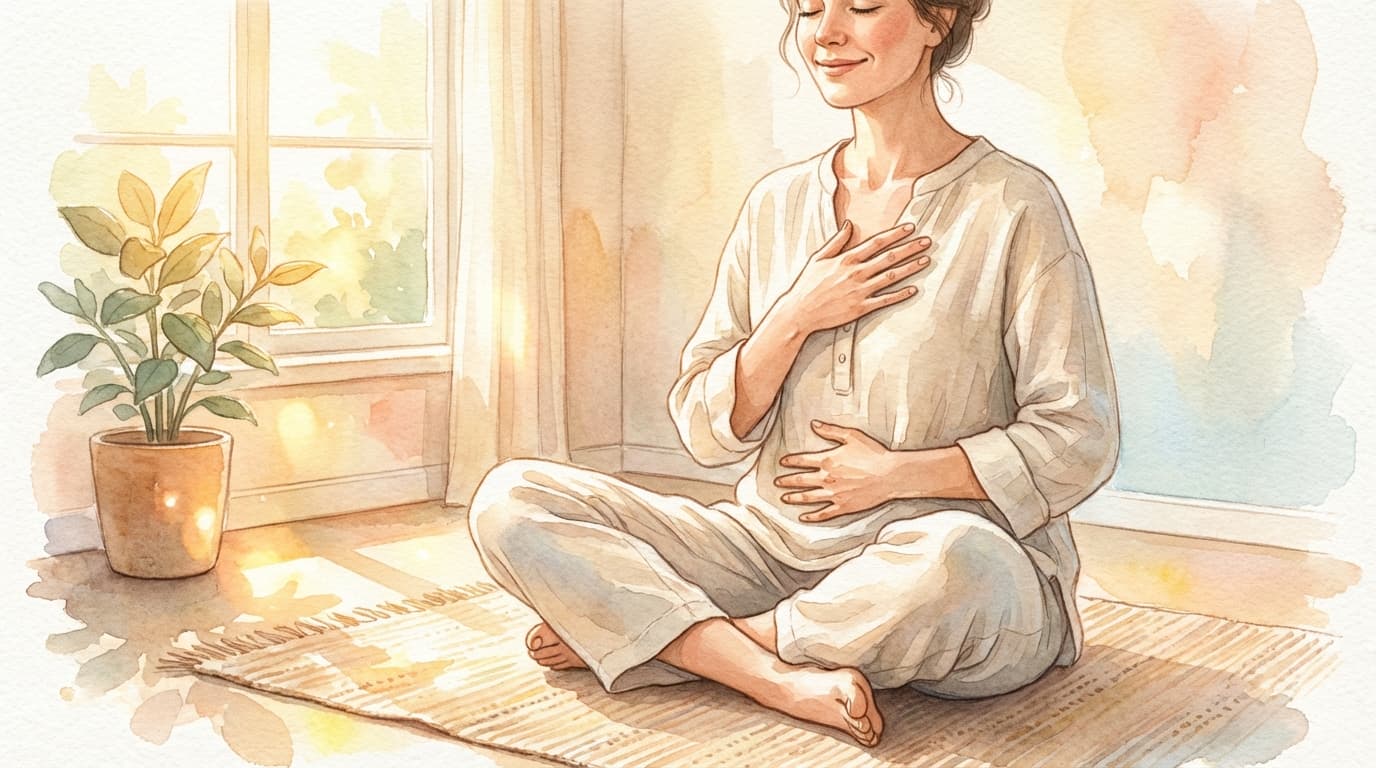
Place one hand firmly on your heart center, in the center of your chest. Place the other hand on your stomach, just below your ribcage. Apply gentle but firm pressure. This tactile input sends signals to the vagus nerve that a protective presence is here.
Step 3: Slow Your Breath
Take a deep breath in through your nose, allowing your stomach to expand against your hand. Exhale slowly through pursed lips, allowing your stomach to fall. Continue breathing in this slow, deliberate manner. Each long exhale activates the parasympathetic nervous system, signaling that the threat has passed.
Step 4: Offer Words of Safety
Silently or aloud, speak to your nervous system. Use simple, present-tense statements that communicate protection:
- I am the adult now.
- I am right here with you.
- You are safe.
- I will not leave you.
- We will get through this together.
Step 5: Stay Present
Continue the hold and the breathing for as long as needed. There is no rush. Notice as the sensations in your body begin to shift. The tightness may soften. The churning may settle. The panic may give way to a quieter sadness, which is itself a form of release.
This practice is not about eliminating difficult emotions. It is about learning to stay present with them, rather than being swept away. It is about building tolerance for the waves of feeling that arise, knowing that you have the capacity to hold them.
The Long Game of Nervous System Healing
Somatic reparenting is not a quick fix. The patterns established in childhood took years to develop, and they will take time to unwind. There may be setbacks. There may be days when the old panic feels as intense as ever.
But each time you practice the Secure Base Hold, you are sending a new message to your nervous system. You are building new neural pathways. You are teaching your body, slowly but surely, that safety is available. That you are no longer alone. That a calm, regulated adult is present and paying attention.
Over time, the baseline shifts. The nervous system becomes less reactive. The quiet ache softens. Not because the past has been erased, but because the present has become a place of refuge.
A Gentle Invitation
If this resonates with you, if you recognize the pattern of seeking external comfort for an internal wound, know that you are not broken. Your nervous system adapted in the best way it knew how to protect you in an environment where safety was inconsistent.
Now, as an adult, you have the capacity to offer yourself what was missing. Not through more toys or distractions, but through the profound gift of your own presence.
This work can be challenging to do alone. Sometimes we need support to stay regulated when old wounds surface. If you find yourself overwhelmed, consider working with a somatic therapist who can serve as an external regulated presence while you build these internal resources.
For those moments when racing thoughts make it difficult to access calm, we have created The Calm Loop Audio. This 15-minute track combines green noise with a gentle voice introduction to help regulate your nervous system when you need it most. It is a tool for those times when you need a little support finding your way back to safety.
Your inner child deserves safety. Your nervous system deserves rest. You deserve to feel at home in your own body. The journey begins with a single breath, a single hand on the heart, a single moment of choosing to stay.
You are the adult now. You are right here. And you are safe.